
Deploying Raspberry Pi devices outdoors introduces a variety of environmental challenges, with ambient temperature fluctuations being one of the most significant factors affecting device reliability. Unlike controlled indoor environments, outdoor settings can expose the Raspberry Pi to extreme heat, freezing cold, rapid temperature swings, and humidity — all of which can impact its performance, longevity, and overall stability. Understanding these effects and implementing appropriate mitigation strategies is essential for ensuring reliable operation in outdoor projects.
Operating Temperature Specifications vs. Real-World Conditions
Officially, Raspberry Pi boards are designed to operate within specific temperature ranges. The System on Chip (SoC), which is the core processing unit, is rated to function between -40°C and +85°C, while the LAN chip typically operates reliably between 0°C and 70°C. However, these specifications primarily reflect the tested limits of individual components rather than the entire assembled board. For most consumer Raspberry Pi models, the recommended ambient operating temperature is generally between 0°C and 50°C to maintain stable performance. Industrial-grade variants, such as the Raspberry Pi Compute Module 4 (CM4) with extended temperature ratings, are specifically designed to tolerate a wider range (-40°C to +85°C), making them more suitable for harsh outdoor environments. Despite these ratings, many users report that Raspberry Pis can operate outside these ranges, but doing so increases the risk of unexpected failures and reduced device lifespan.
No products found.
Effects of High Ambient Temperatures
High temperatures pose a significant challenge for Raspberry Pi devices deployed outdoors, especially in direct sunlight or enclosed spaces like attics or metal boxes. When the temperature rises above the recommended threshold, the Raspberry Pi’s CPU may engage thermal throttling — a protective mechanism that reduces processing speed to prevent overheating. This throttling leads to decreased performance and can affect time-sensitive applications. Prolonged exposure to elevated temperatures can also accelerate the aging of electronic components such as capacitors and solder joints, potentially causing premature hardware failure. In extreme cases, temperatures exceeding 85°C can cause the device to shut down abruptly to avoid permanent damage. Therefore, managing heat through proper ventilation, shading, or active cooling solutions is critical for outdoor deployments in hot climates.
Challenges Posed by Low Temperatures
Cold environments introduce a different set of challenges. While the SoC itself is rated for operation down to -40°C, other components on the Raspberry Pi board and connected peripherals may not tolerate such low temperatures. At sub-zero temperatures, the device may experience startup failures or erratic behavior until it warms up sufficiently. Additionally, the contraction of materials due to cold can cause solder joints and connectors to become brittle, increasing the risk of physical damage over time. Power supplies and batteries are often the first components to fail in cold conditions, as many consumer-grade batteries lose capacity or stop functioning altogether at low temperatures. Users deploying Raspberry Pis in cold climates often rely on insulation and leverage the device’s own heat generation to maintain operational temperatures. However, additional heating elements or specially designed enclosures may be necessary for reliable long-term use in extreme cold.
Impact of Temperature Fluctuations and Humidity
Rapid changes in temperature, common in outdoor settings between day and night or due to weather shifts, can cause expansion and contraction cycles that stress the Raspberry Pi’s hardware. These cycles can lead to microfractures in solder joints and connectors, eventually causing intermittent failures or permanent damage. Moreover, temperature swings often result in condensation forming inside enclosures, especially if they are not properly sealed or ventilated. Moisture accumulation can cause short circuits, corrosion, and other electrical issues that severely compromise reliability. To prevent these problems, it is essential to use weatherproof, sealed enclosures with proper ventilation or desiccants to control humidity levels.
Mitigation Strategies for Outdoor Deployments
To ensure reliable Raspberry Pi operation outdoors, several best practices should be followed. First, selecting the right hardware is crucial; industrial-grade models like the Compute Module 4 with extended temperature ratings provide greater resilience against temperature extremes. Second, using weatherproof and insulated enclosures protects the device from moisture and buffers against rapid temperature changes.
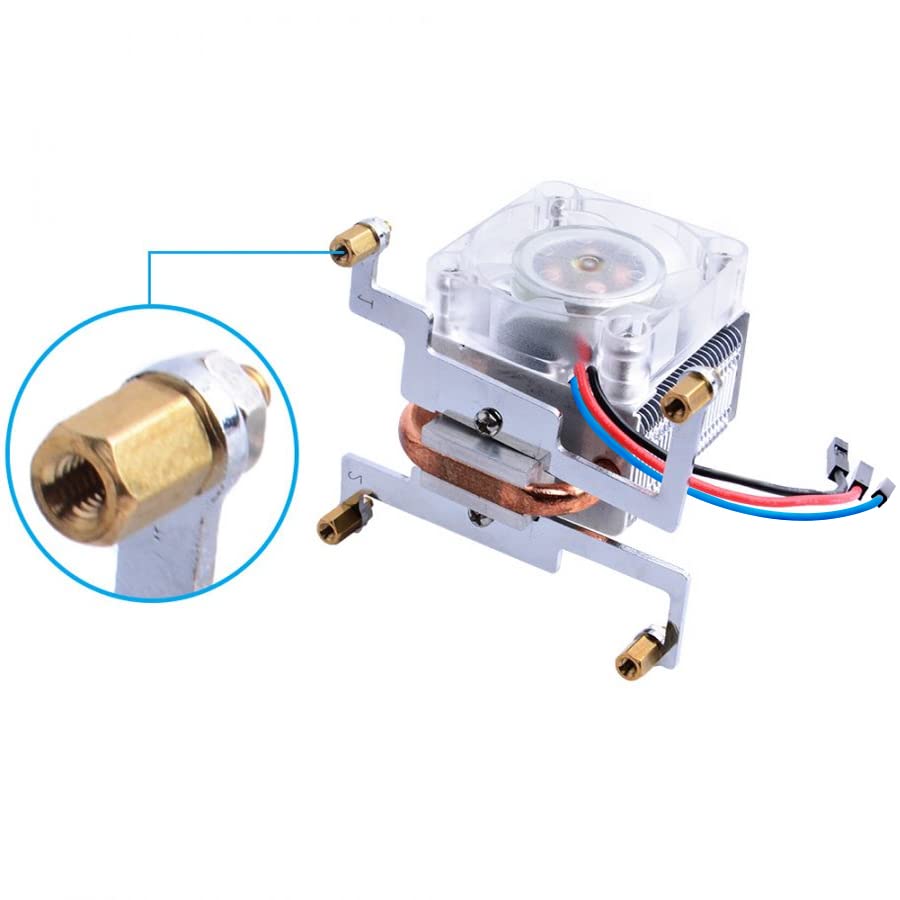
Enclosures should ideally be installed in shaded locations or designed with reflective materials to minimize heat absorption. For thermal management, passive cooling solutions such as heat sinks can help dissipate heat, while active cooling (fans or Peltier devices) may be necessary in hotter environments. In cold climates, insulation combined with the Pi’s self-generated heat can maintain safe operating temperatures, but additional heating elements might be needed for severe conditions.
Power supply considerations are equally important. Batteries and power adapters should be rated for the expected temperature range, as power failures are common in extreme cold. Using DC-DC converters to regulate voltage from solar panels or larger battery banks can improve stability. On the software side, scheduling regular reboots can help clear temperature-related software glitches, and remote monitoring tools allow operators to track device temperature, humidity, and system health in real time, enabling proactive maintenance.
Enclosure Design
- Weatherproofing: Use IP-rated enclosures to block moisture and dust. Test seals with a garden hose before deployment.
- Insulation: Reflective foam or thermal mass (e.g., concrete, buried enclosures) buffers against external temperature swings.
- Shading: Position enclosures away from direct sunlight to reduce solar heating.
Thermal Management
- Passive Cooling: Heat sinks and thermal pads dissipate heat without power
- Active Cooling: Fans or Peltier coolers maintain safe temperatures in high-heat environments
- Self-Heating: In cold climates, keep the Pi powered to leverage internal heat generation.
Power Supply Considerations
- Cold-Rated Batteries: Use lithium-ion or industrial batteries designed for sub-zero operation
- DC-DC Converters: Step down 12V solar/battery systems to 5V for stable Pi operation.
Software and Monitoring
- Scheduled Reboots: Reset the Pi regularly to clear temperature-induced software glitches.
- Remote Monitoring: Track temperature, humidity, and system health via tools like vcgencmd or custom scripts
| Challenges | Solutions |
| Extreme Heat | Shaded enclosures, active cooling, CM4 |
| Extreme Cold | Insulation, self-heating, cold-rated batteries |
| Humidity/Condensation | Sealed enclosures, desiccant packs |
| Power Reliability | Solar/12V systems with DC-DC converters |
Community Experiences and Case Studies
The Raspberry Pi community provides valuable insights into outdoor deployments under various temperature conditions. For example, Pis have been successfully used in Antarctica, operating reliably until battery failure occurred at -42°C, demonstrating remarkable cold tolerance. Similarly, users report stable performance in hot environments such as attics exceeding 50°C when proper ventilation and shading are employed. However, community feedback also highlights the importance of thorough testing, as component variability (e.g., SD cards, USB peripherals) can affect overall system reliability. Many experienced users recommend industrial-grade hardware and robust environmental protection for mission-critical applications, emphasizing that while Raspberry Pis are surprisingly resilient, they are not immune to the stresses of extreme outdoor conditions.
Ambient temperature variations play a critical role in determining the reliability of Raspberry Pi devices deployed outdoors. While the hardware can often tolerate wider temperature ranges than officially specified, extremes in heat and cold, as well as rapid fluctuations, introduce risks such as thermal throttling, startup failures, hardware degradation, and moisture damage. To maximize reliability, it is essential to select appropriate industrial-grade hardware, use weatherproof and insulated enclosures, implement effective thermal management, and ensure stable power supplies. Additionally, proactive software maintenance and remote monitoring can help detect and mitigate issues before they cause failure. By carefully addressing these factors, Raspberry Pi devices can be successfully deployed in a variety of outdoor environments, delivering dependable performance even under challenging temperature conditions.
Last update on 2026-10-24 / Affiliate links / Images from Amazon Product Advertising API