

In this guide we would tell you what could take our Raspberry Pi to become a great filmmaker, video editor and audio editor. Yes it’s all here. The trick is not that hard, honestly. With or without a 3D-printed case, Gonzo Pi allows for easy editing, reshooting, multi-track audio dubbing, and more. Creator Robin Bäckman has developed a software tool that turns a Raspberry Pi computer and its camera module into a powerful film-capturing device with built-in editing and audio dubbing features. Gonzo Pi is a versatile tool that brings easy editing, reshooting, and multi-track audio dubbing to the Raspberry Pi, with or without an optional 3D-printed case. Developed by maker Robin Bäckman, this software transforms a Raspberry Pi and its camera module into a full-fledged film production system, offering in-camera editing and audio dubbing.

Describing it as “a video camera with tape and scissors,” He, explains that pressing the “view” button in Gonzo Pi instantly stitches together the latest takes of a scene. When applied to a full film, it seamlessly combines all scenes. There is no need for custom cases or additional buttons — it works effortlessly with the Raspberry Pi, its camera modules, USB keyboards, USB audio cards, and any standard HDMI display.
The Gonzo Pi system is designed for immediate use, with intuitive editing capabilities right in the camera. A simple press of the “view” button links takes within a scene, and the “retake” feature allows quick reshoots. Once footage is captured, the software enables multi-track audio dubbing, letting you record and layer new audio tracks directly into your scenes or films, blending them automatically.
Gonzo Pi’s interface is fully accessible through a standard keyboard, but also supports network control. With keyboard shortcuts, users can edit and organize shots, adjust shutter speed and exposure, fine-tune color and brightness, control audio levels, apply a compressor, and even set up countdowns or timelapses with custom intervals.
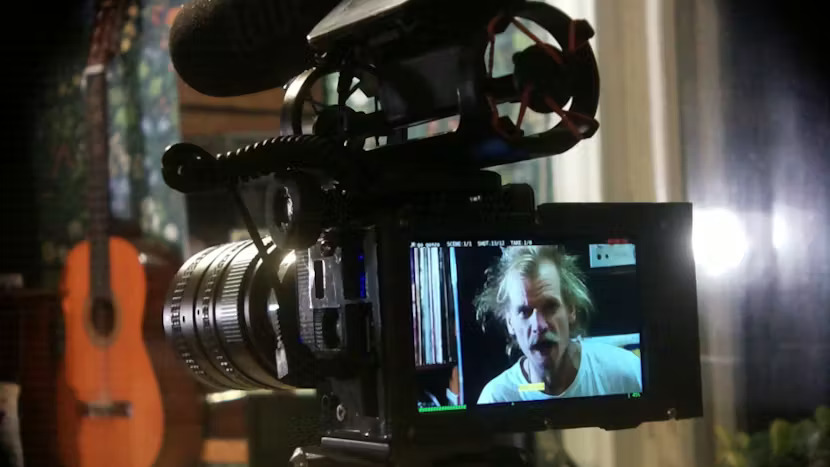
Though no extra hardware is required, Bäckman has also designed a custom enclosure for the Raspberry Pi, camera, and display, complete with an optional battery to eliminate the need for trailing cables. A custom control board adds dedicated buttons for key software functions. We can easily download it from GitHub under the Apache 2.0 license, while 3D print files for the case and an optional viewfinder can be downloaded from here. Bäckman has also announced plans to sell pre-built Gonzo Pi units, though pricing details have not yet been confirmed.